
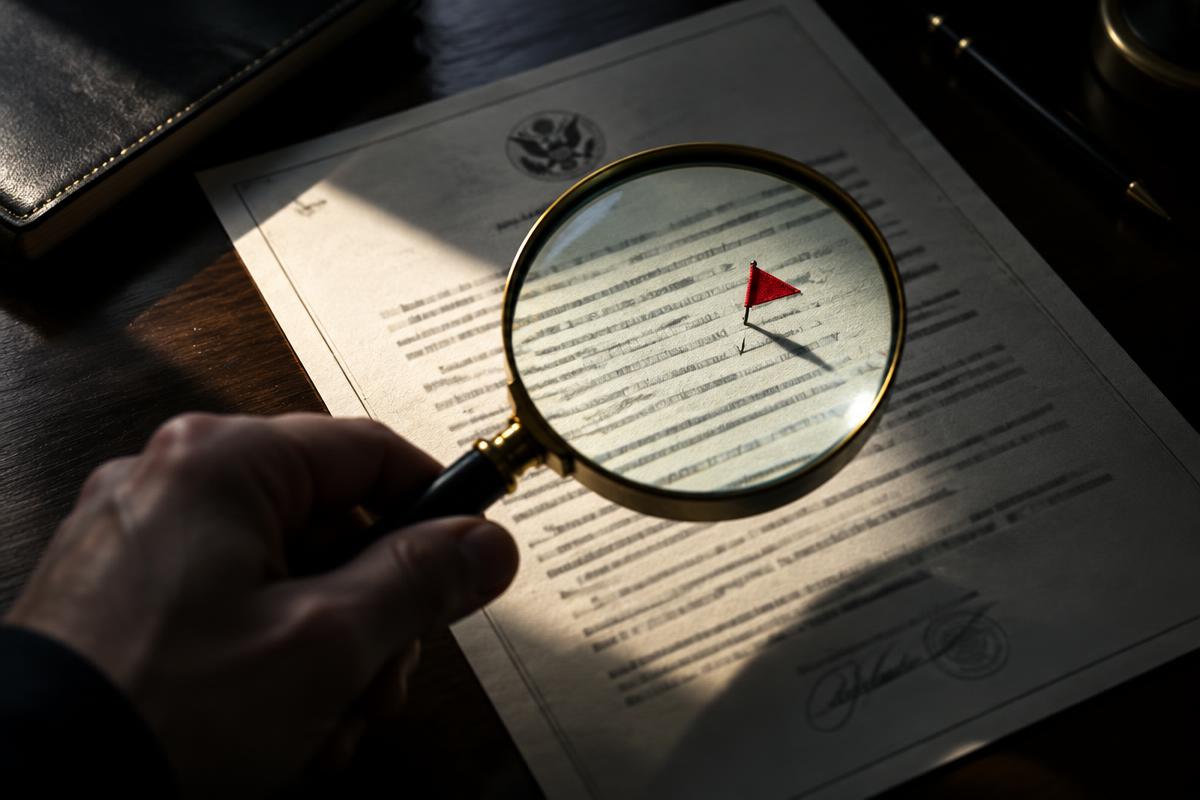
Property tax records are public, which means a dishonest company may know an owner’s name, address, parcel number, or delinquency status. That information can make an alarming letter or phone call sound official even when it is not connected to the county.
A legitimate lender or service provider should welcome verification. Slow down, confirm the facts independently, and never let an urgent sales script replace a direct conversation with the county office responsible for the property.
Warning signs in letters, calls, and online messages
Be cautious when a message imitates a government seal, predicts immediate loss of the home without giving verifiable case information, or demands same-day payment through gift cards, cryptocurrency, wire transfer, or a payment app. Government offices and legitimate lenders provide identifiable contact information and explain the basis for an amount due.
Pressure is another warning sign. A caller may insist that only its company can stop a sale, discourage you from contacting the county, or refuse to send complete terms before collecting money. No private company controls the county’s official records or deadlines.
- A demand to act immediately without time to verify the claim
- Requests for gift cards, cryptocurrency, or unusual transfers
- A promise of guaranteed approval or guaranteed protection from loss
- Fees charged before the service and its terms are explained
- Requests to sign a deed, blank form, or document you cannot keep
- Contact details that differ slightly from an official government address
Verify the tax status independently
Do not use the phone number in a suspicious message. Find the county treasurer or clerk through the county’s official website, then provide the parcel number and ask for the current status, amount, sale information, and deadline.
If a company says it already paid the taxes or purchased a certificate, the county record should help confirm the event. Keep screenshots or written estimates, but remember that online records may have processing delays. Ask the county how to obtain an official statement when timing is critical.
Protect your deed and title
Title fraud can involve forged deeds or other false documents recorded against a property. Some Illinois county recorder offices offer free property-fraud alert services that notify owners when a document using their name or property information is recorded. An alert does not prevent fraud or replace legal advice, but it can provide early notice.
Be especially cautious if anyone describes a document as “just paperwork” while asking an owner to transfer title, add a person to the deed, or sign a power of attorney. Have an independent Illinois attorney review any document that changes ownership or grants broad authority.
How to evaluate a legitimate financing offer
Confirm the lender’s legal name and Illinois authorization, then obtain the rate, fees, payment schedule, lien documents, total repayment estimate, prepayment terms, and default provisions in writing. Read the final documents and compare them with the proposal.
No credit score required does not mean no underwriting, no cost, or no risk. A responsible property-based lender will still review ownership, equity, taxes, liens, timing, and repayment information. It will not claim that applying is the same as being approved.
What to do if something feels wrong
Stop sending money or documents until the claim is verified. Preserve the letter, envelope, email, phone number, website address, receipts, and notes from every conversation. Contact the relevant county office, your bank if money moved, and an attorney if a deed or closing document may be involved.
Suspected consumer fraud can be reported to the Illinois Attorney General. Identity theft and impersonation can also be reported through the Federal Trade Commission. A report may not resolve a tax deadline, so address the official county balance at the same time.
Key takeaway
Public property information can make a scam look convincing. Verify the tax status with the county, verify the company with independent sources, and never sign ownership documents under pressure.